
Part II: Bad Food Additives to Avoid

 In Part I, I covered some surprisingly safe food additives found in many foods you may already enjoy. The good news? You don’t have to give those foods up. However, on the flip side, there are food additives that I strongly recommend avoiding due to potential health risks. Here’s what you need to know.
Does Your Favorite Food Contain These Harmful Additives?
Many of us have eaten certain processed foods for years without really checking the ingredient list. Some food additives pose little to no risk, while others can negatively impact health. The frustrating part? Both safe and harmful additives can be combined in the same product.
For example, some sugar-free yogurts contain safe stabilizers like carrageenan but also include controversial artificial sweeteners like aspartame or sucralose. To make informed choices, always check food labels and watch out for these common “bad” food additives:
1.  Artificial Flavoring
-
While not necessarily toxic, artificial flavors can cause allergic reactions in sensitive individuals.
-
Some artificial flavoring agents are derived from MSG (monosodium glutamate) or HVP (hydrolyzed vegetable protein), which may trigger symptoms in sensitive individuals.
2. Aspartame (NutraSweet, AminoSweet)
-
Linked to neurological issues like headaches, dizziness, and mood disorders.
-
Studies suggest possible links to cancer, metabolic disorders, and joint pain, but findings remain debated.
-
Found in diet sodas, sugar-free candies, and flavored drink mixes.
3. BHA (Butylated Hydroxyanisole)
-
A preservative used in gum, oils, and cereals to prevent rancidity.
-
Classified as a possible human carcinogen by the International Agency for Research on Cancer (IARC).
4.  BVO (Brominated Vegetable Oil)
-
Used in citrus-flavored sodas and sports drinks as an emulsifier.
-
Contains bromine, which accumulates in body fat and has been linked to thyroid, reproductive, and neurological issues.
-
Banned in Europe and Japan, but still used in some U.S. beverages.
5. Casein
-
A milk protein found in dairy and protein powders.
-
Safe for most people but can trigger allergies or digestive issues in those with milk sensitivities.
6. Cochineal Extract (Carmine)
-
A red dye derived from crushed cochineal insects.
-
Can cause severe allergic reactions, including anaphylaxis in sensitive individuals.
-
 Found in red-colored drinks, candy, and even some dairy products (e.g., strawberry yogurt).
7. High-Fructose Corn Syrup (HFCS)
-
A highly processed sweetener linked to obesity, insulin resistance, and type 2 diabetes.
-
Also contributes to fatty liver disease and tooth decay.
-
Common in sodas, baked goods, and processed snacks.
8. Fructose (in Excessive Amounts)
-
While naturally found in fruit, concentrated fructose (as in added sugars) can contribute to metabolic issues, obesity, and heart disease.
-
High amounts are found in processed fruit juices, syrups, and sweetened foods.
9. Maltitol/Mannitol
-
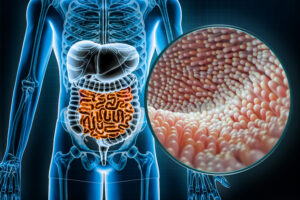 Sugar alcohols used in sugar-free products.
 -
Can cause digestive distress (gas, bloating, diarrhea) in some individuals.
10. Olestra (Olean)
-
A synthetic fat substitute found in “fat-free” chips.
-
Known to cause diarrhea, cramping, and fat-soluble vitamin depletion.
11. Partially Hydrogenated Oils (Trans Fats)
-
Common in packaged baked goods, margarine, and fried foods.
-
Increases LDL (bad) cholesterol and raises the risk of heart disease.
-
Banned in the U.S. as of 2021, but may still appear in imported or older products.
12. Polydextrose
-
A synthetic fiber additive found in baked goods, frozen desserts, and candy.
-
Can cause digestive issues in some people, especially in large amounts.
13.  Saccharin
-
An artificial sweetener that was previously linked to cancer in lab animals, though later studies did not confirm the risk for humans.
-
Found in some sugar-free products, but has largely been replaced by newer sweeteners.
14. Excessive Salt (Sodium)
-
While essential for health, high sodium intake contributes to high blood pressure, kidney disease, and heart problems.
-
Found in processed meats, canned soups, and packaged snacks.
15. Sorbitol
-
A sugar alcohol derived from fruits (e.g., apples, pears, prunes).
-
When used in sugar-free candies and jams, it can cause severe digestive distress in sensitive individuals.
16. S ucralose (Splenda)
-
Marketed as a safe alternative to sugar, but some studies suggest it may alter gut bacteria and cause inflammatory responses.
-
Contains chlorine, which in excessive amounts may irritate the kidneys and other organs.
-
Found in diet sodas, sugar-free products, and flavored yogurts.
-
Better alternatives: Stevia or Monk Fruit (Luo Han Guo).
Final Thoughts
Now that you know which additives to avoid, you can make smarter choices when shopping for processed foods. While it’s best to eat fresh, whole foods as much as possible, realistically, most of us rely on some packaged foods in our busy lives.
To minimize exposure to harmful additives:
✔ Read ingredient labels carefully.
✔ Choose organic or minimally processed products when possible.
✔ Buy from health-conscious brands and retailers.
✔ Limit consumption of diet and sugar-free products with artificial sweeteners.
By being mindful of what’s in your food, you can still enjoy convenience without compromising your health!
Stay Well,
Mark Rosenberg, M.D.